Crinkled Origami Geometric Pattern: A Versatile Design for Creative and Practical Use
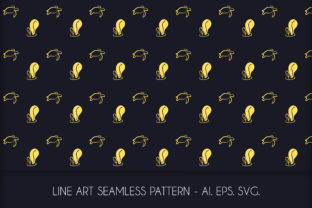
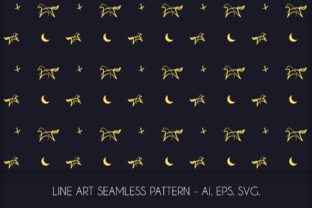
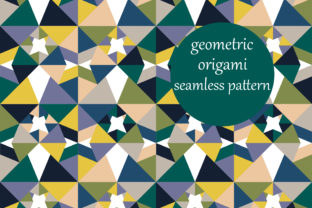
The Crinkled Origami Geometric Pattern is a unique visual element that blends the elegance of traditional origami with the complexity of geometric design. It features overlapping shapes that mimic the folds and creases of folded paper, creating a textured, layered effect. This pattern is not just decorative—it serves as a powerful tool in various creative and practical workflows, offering both aesthetic appeal and functional utility.
Aesthetic and Functional Fusion
At its core, the Crinkled Origami Geometric Pattern is a digital representation of physical origami, translated into a scalable, repeatable format. The crinkled texture adds depth and dimension to flat surfaces, making it ideal for use in branding, packaging, and visual design. Unlike standard geometric patterns, this one brings a tactile quality to digital spaces, enhancing user engagement and visual interest.
The pattern’s versatility lies in its ability to adapt to different color schemes and contexts. While it often appears in neutral tones, it can also be customized to match brand identities or project themes. This flexibility makes it a valuable asset for designers, marketers, and entrepreneurs looking to create cohesive and visually striking materials.
Incorporating the Pattern into Workflow
The Crinkled Origami Geometric Pattern can be integrated at multiple stages of a project lifecycle. During the planning phase, it can serve as a visual anchor for branding or thematic consistency. For example, a small business owner launching a new line of eco-friendly products might use this pattern on packaging, marketing collateral, and website backgrounds to reinforce their commitment to sustainability and craftsmanship.
During execution, the pattern can be used to enhance user experience. In digital platforms, such as websites or mobile apps, it can be applied as a background or accent element to guide attention and create a sense of movement. In print media, it can be used to elevate the visual hierarchy of brochures, posters, or social media graphics.
Post-launch, the pattern can be leveraged for ongoing brand reinforcement. It can appear in email templates, social media posts, and product manuals, helping to maintain a consistent visual identity across all touchpoints. Its adaptability ensures that it remains relevant even as projects evolve over time.
Compatibility and Integration
The Crinkled Origami Geometric Pattern is designed to work seamlessly with a variety of tools and platforms. It is compatible with graphic design software like Adobe Illustrator, Photoshop, and Canva, allowing for easy customization and scaling. It also integrates well with web development frameworks, making it suitable for use in HTML, CSS, and responsive design layouts.
For those working in a team environment, the pattern can be shared through cloud-based collaboration tools such as Google Drive, Dropbox, or Figma. This ensures that all stakeholders have access to the same visual assets, reducing inconsistencies and streamlining the design process.
Additionally, the pattern can be paired with other design elements to create more complex compositions. For instance, it can be combined with typography, icons, or illustrations to build a layered, multidimensional layout. This approach is particularly useful in content creation, where visual storytelling plays a key role in audience engagement.
Practical Implementation Tips
When implementing the Crinkled Origami Geometric Pattern, there are several best practices to consider. First, ensure that the pattern is appropriately scaled for the intended use. Overly large or small patterns can detract from the overall design, so it’s important to test it in different contexts before finalizing its application.
Second, pay attention to color contrast. While the pattern offers flexibility in color options, it should complement the surrounding elements rather than compete with them. Testing different color combinations can help identify the most effective pairing for a given project.
Third, consider the purpose of the design. If the goal is to convey a sense of sophistication, a minimalist color palette may be more appropriate. If the objective is to add visual energy, bolder colors or contrasting textures could be more impactful.
Finally, document the pattern’s usage within your workflow. Keeping track of where and how it has been applied can help streamline future projects and ensure consistency across all materials.
Use Cases Across Industries
The Crinkled Origami Geometric Pattern finds application in a wide range of industries, from creative fields to business environments. In education, it can be used to create engaging learning materials, such as worksheets, flashcards, or interactive presentations. Its geometric nature makes it ideal for teaching concepts related to shape, symmetry, and spatial reasoning.
In marketing, the pattern can be incorporated into campaign assets, including social media banners, infographics, and video thumbnails. Its unique visual appeal helps capture attention and differentiate a brand from competitors.
For entrepreneurs and small business owners, the pattern can be used to create branded templates for proposals, reports, and client communications. It adds a professional yet artistic touch that reflects creativity and attention to detail.
In the realm of productivity, the pattern can be used to organize digital workspaces. Applying it to task management dashboards, project timelines, or calendar interfaces can make these tools more visually appealing and easier to navigate.
Long-Term Considerations
When incorporating the Crinkled Origami Geometric Pattern into long-term workflows, it’s essential to consider factors such as scalability, maintenance, and adaptability. As projects grow and evolve, the pattern should remain relevant and functional without requiring frequent redesigns.
Regularly reviewing the pattern’s performance in different contexts can help identify areas for improvement. Feedback from users or stakeholders can provide valuable insights into how the pattern is being used and whether it aligns with their expectations.
Additionally, staying updated with design trends and technological advancements can ensure that the pattern continues to meet the needs of modern workflows. Whether it’s through new color options, enhanced compatibility, or expanded use cases, the pattern can be continuously refined to support evolving objectives.
Conclusion
The Crinkled Origami Geometric Pattern is more than just a visual element—it is a versatile tool that enhances both the aesthetic and functional aspects of creative and business workflows. By understanding its potential applications, integration strategies, and implementation considerations, professionals can effectively leverage this pattern to elevate their projects, streamline their processes, and create more engaging experiences for their audiences.