Decorative Carving Wood: A Timeless Element of Design
Decorative carving wood is more than just a visual element—it’s a bridge between tradition and modern design. Rooted in centuries-old craftsmanship, this art form brings texture, depth, and character to any space or project. Whether you're working on an interior design concept, creating digital illustrations, or building a vintage-inspired backdrop, decorative carving wood offers a unique way to infuse personality and authenticity into your work.
The Essence of Decorative Carving Wood
At its core, decorative carving wood involves the meticulous shaping and detailing of wood surfaces using hand tools or specialized machinery. The result is intricate patterns that can range from classical motifs like maple leaves and pineapples to abstract geometric shapes and textured weaves. These carvings often mimic natural elements such as bamboo, willow, and wicker, making them ideal for those who appreciate nature-inspired designs.
This type of woodwork has deep cultural roots, especially in traditional villages where artisans have passed down their techniques through generations. Today, it continues to thrive in both handmade and digital formats, allowing creators to access high-quality vector files that can be used across various platforms and projects.
Where and When to Use Decorative Carving Wood
Decorative carving wood is incredibly versatile and can be applied in a wide range of settings. In interior design, it's commonly used as a backdrop for living rooms, dining areas, or entryways, adding a rustic yet refined touch. For example, a vintage-style wooden wall panel with carved pineapples and stripes can instantly elevate the look of a country home or a cozy café.
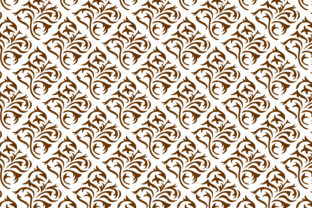
In the digital realm, decorative carving wood serves as a powerful tool for graphic designers, illustrators, and marketers. Seamless patterns made from carved wood textures can be used as backgrounds in websites, social media posts, or print materials. These patterns are especially popular in retro and vintage-themed branding, offering a tactile feel that complements minimalist or maximalist aesthetics alike.
For educators and hobbyists, decorative carving wood can inspire creative projects, whether it’s crafting a handmade basket, building a decorative surface with twine and weave details, or creating a detailed illustration of a tree or cross. Its organic and geometric qualities make it suitable for both beginners and seasoned crafters looking to add depth to their work.
Why Decorative Carving Wood Matters
One of the key reasons decorative carving wood remains relevant is its ability to blend functionality with beauty. Unlike flat surfaces, carved wood adds dimension and interest, making it ideal for creating focal points in both physical and digital spaces. Whether you're designing a vintage-inspired website or crafting a handcrafted piece for a small business, the texture and detail of carved wood can make all the difference.
Additionally, decorative carving wood is highly customizable. It can be adapted to fit different styles, from classic and traditional to modern and abstract. This flexibility allows users to tailor their designs to specific needs, whether they're looking for a subtle background texture or a bold statement piece.
Real-World Applications
- Interior Design: Use carved wood panels as a backdrop in a rustic living room or as a decorative feature in a boutique store.
- Digital Design: Incorporate seamless wood patterns into web layouts, app interfaces, or social media graphics to create a warm, inviting atmosphere.
- Education: Teach students about traditional craftsmanship by using carved wood examples in art classes or history lessons.
- Marketing: Create visually appealing packaging or promotional materials that reflect a brand’s heritage and values.
- Handcrafting: Craft decorative items like baskets, shelves, or wall art using carved wood textures for a unique, artisanal touch.
These applications highlight how decorative carving wood can serve multiple purposes depending on the user's goals and audience. Whether you're aiming for a nostalgic, nature-inspired vibe or a modern, abstract aesthetic, there's a way to incorporate this timeless design element into your work.
What to Consider Before Using Decorative Carving Wood
Before diving into using decorative carving wood, there are several factors to consider. First, think about the purpose of your project—will it be for personal use, commercial display, or digital application? This will influence the level of detail, quality, and format you need.
Next, evaluate the source of your design. If you're using vector files, ensure they are high-resolution and compatible with your design software. For handcrafted pieces, consider the type of wood, tools, and time required to complete the project.
Also, think about the context in which the design will be used. Will it be part of a larger design scheme, or will it stand alone as a focal point? Understanding the environment will help you choose the right pattern, color, and texture to achieve the desired effect.
Finally, always prioritize quality over quantity. A well-crafted, detailed design will outshine a generic one, especially when it comes to creating lasting impressions in both physical and digital spaces.
Conclusion
Decorative carving wood is a powerful design element that bridges the past and present. Its versatility, richness, and cultural significance make it a valuable asset for anyone looking to add depth, texture, and character to their projects. Whether you're an artist, designer, educator, or entrepreneur, incorporating decorative carving wood into your work can elevate your creations and connect you with a broader audience that appreciates the beauty of craftsmanship and tradition.