Foliage Pattern and Botanical Seamless Design: A Guide to Nature-Inspired Art
When it comes to design, the natural world has always been a wellspring of inspiration. From intricate leaf patterns to bold floral motifs, botanical elements have played a significant role in shaping visual aesthetics across cultures and eras. One such design that has captured the imagination of artists, designers, and creatives is the foliage pattern and botanical seamless design, particularly featuring white paenia lactiflora leaves on a light background. This design not only embodies the essence of nature but also blends seamlessly into modern applications like wallpaper, fabric, and digital graphics.
The Beauty of Botanical Design
Botanical design is more than just an aesthetic choice—it’s a celebration of the natural world. It draws from the organic forms found in plants, flowers, and leaves, translating them into visual language that can be both decorative and functional. The white paenia lactiflora leaves used in this design are a perfect example of how subtle variations in shape, texture, and color can create a striking visual effect. These leaves, with their fresh green hues, evoke a sense of vitality and tranquility, making them ideal for use in a wide range of creative projects.
What makes this design particularly unique is its seamless pattern. Unlike traditional patterns that repeat in a way that may feel disjointed, a seamless design allows the motif to flow continuously without visible seams. This is especially useful in applications like wallpaper, textiles, and digital backgrounds, where the design needs to maintain a cohesive look across large surfaces.
Understanding the Elements of the Design
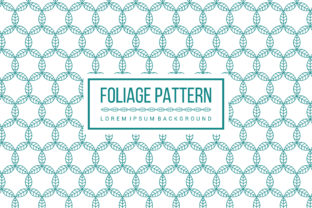
The foliage pattern features white paenia lactiflora leaves against a light background, creating a contrast that highlights the natural beauty of the foliage. The leaves are rendered in a green color that mimics the fresh, vibrant look of newly grown vegetation. This combination of colors and textures gives the design a natural, organic feel, making it versatile for various design contexts.
- Exotic: The design incorporates elements of tropical flora, giving it an exotic and adventurous appeal.
- Graphic: The clean lines and structured arrangement of the leaves make it suitable for graphic design projects.
- Organic: The natural shapes and curves of the leaves reflect an organic, flowing aesthetic.
- Art: The design serves as both a decorative element and a piece of art, capable of enhancing any space or project.
- Minimalist: The simplicity of the design aligns with minimalist principles, focusing on clean lines and uncluttered visuals.
Applications of Foliage Patterns in Modern Design
Botanical designs like the foliage pattern have found a place in numerous industries and applications. Here are some common uses:
1. Interior Design and Decor
In interior design, botanical patterns are often used to create a calming and inviting atmosphere. The white paenia lactiflora leaves can be incorporated into wall coverings, tablecloths, or decorative accents, adding a touch of elegance and nature-inspired charm. Whether used as a wallpaper or a textile, this design brings a sense of sophistication and warmth to any room.
2. Fashion and Textiles
Botanical patterns are increasingly popular in fashion, especially in the realm of textile design. The seamless foliage pattern could be used to create fabrics for clothing, accessories, or home decor items. Its linear and geometric elements make it ideal for both casual and formal wear, offering a stylish yet natural look.
3. Digital Graphics and Print Media
With the rise of digital media, botanical patterns have become essential in graphic design. The seamless foliage pattern can be used as a background in websites, social media posts, or print materials. Its retro and vintage appeal makes it a great choice for branding and marketing campaigns that aim to evoke a sense of nostalgia and authenticity.
Designing with Botanical Elements: Tips and Tricks
Creating or working with botanical patterns requires an understanding of both artistic and technical principles. Here are some tips to help you get the most out of this design:
- Use Symmetry: Many botanical patterns rely on symmetry to create balance and harmony. The white paenia lactiflora leaves in this design showcase a natural symmetry that enhances their visual appeal.
- Play with Contrast: The light background provides a strong contrast to the green leaves, making the design stand out while maintaining a soft, natural feel.
- Experiment with Color: While the leaves are rendered in a fresh green, you can experiment with different shades and tones to suit your project's mood and style.
- Consider Texture: Adding texture to the design can enhance its depth and realism, making it more engaging and visually interesting.
- Think About Scale: The size of the pattern can significantly affect its impact. Smaller scale patterns are ideal for detailed work, while larger ones are better suited for broad applications like wallpaper or fabric.
Common Misconceptions About Botanical Designs
Despite their popularity, there are some common misconceptions about botanical designs that are worth addressing:
- Misconception 1: Botanical designs are only for traditional or vintage settings. Reality: They can be adapted to fit modern, minimalist, and even high-tech environments.
- Misconception 2: Botanical patterns are too complicated to use in everyday design. Reality: With the right tools and techniques, even simple patterns can be created and customized to suit any project.
- Misconception 3: Botanical designs are only for large-scale applications. Reality: They can be scaled down for use in small details, such as logos, icons, or decorative elements.
Conclusion: Embracing the Botanical Aesthetic
The foliage pattern and botanical seamless design featuring white paenia lactiflora leaves is more than just a decorative element—it’s a powerful tool for expression and creativity. Whether you're designing for fashion, interiors, or digital media, this design offers a versatile and timeless aesthetic that can enhance any project. By understanding its elements, applications, and potential, you can unlock new possibilities in your creative work and bring a touch of nature into your everyday life.
As we continue to seek inspiration from the natural world, botanical designs remain a valuable resource for those looking to blend art, nature, and functionality. Whether you’re a designer, artist, or simply someone who appreciates beautiful visuals, exploring the world of foliage patterns can open up a whole new dimension of creativity and appreciation for the beauty of nature.