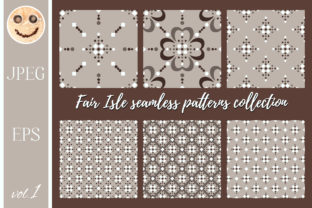
Line Pattern White Background: A Versatile Design Tool for Modern Creativity
The Line Pattern White Background is more than just a visual element—it's a foundational design choice that can shape the way people interact with digital content, creative projects, and even physical spaces. Whether you're designing a website, creating an infographic, or setting up a workspace, understanding when and how to use this style can make a significant difference in clarity, focus, and aesthetics.
What Is Line Pattern White Background?
The Line Pattern White Background refers to a design template that features a white base with subtle line patterns overlayed. These lines are typically thin, evenly spaced, and often arranged in geometric or organic formations. The simplicity of the background allows other elements—text, images, or graphics—to stand out without competing for attention.
This pattern is not just about visual appeal; it’s about functionality. It provides a clean canvas that enhances readability, reduces visual clutter, and maintains a sense of order. The white space ensures that the lines serve as guides rather than distractions, making it ideal for environments where clarity and precision are key.
When to Use Line Pattern White Background
The Line Pattern White Background is especially useful in scenarios where visual hierarchy and minimalism are important. Here are some common situations where this design choice shines:
- Graphic Design Projects: When creating infographics, charts, or data visualizations, the white background with line patterns helps emphasize key information without overwhelming the viewer.
- Website Layouts: For websites that require a modern, clean look, this background can enhance user experience by providing a visually soothing environment that supports content consumption.
- Print Materials: In brochures, reports, or presentations, the Line Pattern White Background can add a professional touch while keeping the design uncluttered and easy to read.
- Digital Workspaces: Many creators and freelancers use this background in their digital workspaces to maintain focus and reduce eye strain during long hours of work.
- Marketing Content: Social media posts, email newsletters, and online ads benefit from this background as it helps content pop without being distracting.
By choosing the Line Pattern White Background, users can create a consistent visual language across multiple platforms and formats, reinforcing brand identity and improving overall engagement.
Why Choose Line Pattern White Background Over Other Options?
While there are many background options available, the Line Pattern White Background stands out due to its balance between simplicity and sophistication. Unlike solid color backgrounds, which can feel flat or monotonous, this design adds depth without overwhelming the user. It also avoids the potential pitfalls of overly busy patterns, which can detract from the main content.
Another advantage is its adaptability. Whether you're working on a personal project or a large-scale business initiative, the Line Pattern White Background can be customized to fit your needs. You can adjust the density, spacing, and direction of the lines to match the tone and purpose of your design.
For professionals who rely on clear communication, such as educators, marketers, and entrepreneurs, this background offers a reliable foundation that supports both creativity and efficiency. It allows for greater flexibility in content creation, ensuring that the message remains central and unambiguous.
Real-World Applications Across Different Fields
Let’s explore how the Line Pattern White Background can be applied in various fields:
For Educators
Teachers and instructional designers often use this background in lesson plans, handouts, and digital learning materials. It helps students focus on key concepts without being distracted by excessive visual elements. For example, a science teacher might use this background in a presentation to highlight diagrams and formulas clearly.
For Marketers
In marketing, the Line Pattern White Background can be used in social media graphics, landing pages, and email templates. Its clean aesthetic aligns well with modern branding standards, helping to build trust and professionalism. A fitness coach, for instance, might use this background in promotional material to showcase workout routines in a structured and appealing way.
For Freelancers
Freelancers who work remotely often customize their digital workspaces to improve productivity. Using the Line Pattern White Background as a desktop wallpaper or in design tools can help them stay focused and inspired throughout the day. It also makes their portfolio more visually engaging, which can attract clients looking for a polished and professional appearance.
For Small Business Owners
Small businesses can benefit from this background in their branding materials, such as business cards, logos, and signage. It provides a timeless and elegant look that appeals to a wide range of audiences. A local bakery, for example, might use this background in their packaging to create a cohesive and inviting brand image.
Considerations Before Choosing Line Pattern White Background
Before implementing the Line Pattern White Background, consider the following factors:
- Intended Audience: Ensure that the design appeals to your target audience. What works for one demographic may not resonate with another.
- Brand Identity: Align the background with your brand’s visual identity. It should complement, not conflict with, your overall design language.
- Accessibility: Check that the contrast between the white background and the lines is sufficient for all users, including those with visual impairments.
- Customization Needs: Determine whether you need to modify the pattern to suit specific projects or if a standard version will suffice.
- Platform Compatibility: Test the background across different devices and platforms to ensure it looks good everywhere.
By carefully evaluating these considerations, you can make informed decisions that lead to better outcomes in your design work.