Polygonal Geometric Pattern
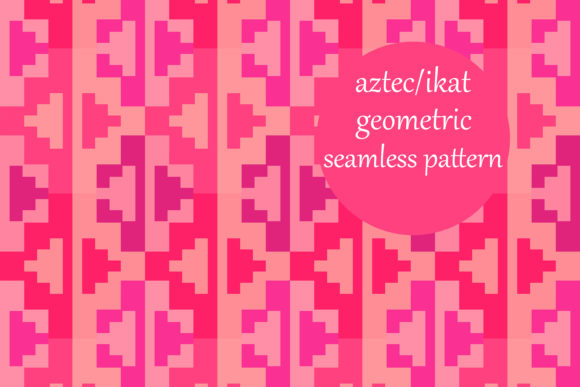
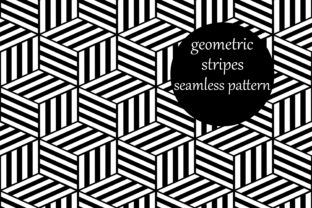
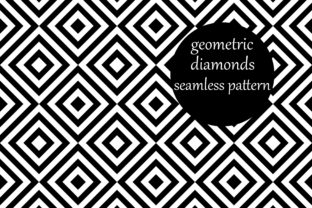
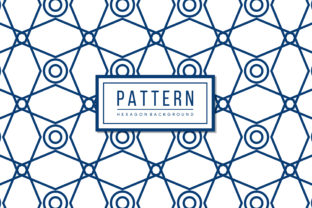
The Polygonal Geometric Pattern is a design language rooted in the intersection of mathematics and aesthetics. It uses repeating polygon shapes—such as triangles, squares, and hexagons—to create visually compelling and structurally sound compositions. This pattern has found its way into modern design across multiple industries, from digital interfaces to print media, offering both functional and artistic value.
Why Polygonal Geometric Patterns Matter
For many, Polygonal Geometric Pattern represents more than just visual appeal—it’s a tool for communication, organization, and identity. Whether it’s a background for a website or a symbol on a map, these patterns help convey information in a clear, structured way. In the context of tourism, for instance, hexagon geometric pattern can be used to mark locations, guide travelers, and even represent cultural landmarks through icon and map design.
Designers and creators often turn to Polygonal Geometric Pattern because it offers a balance between simplicity and complexity. The use of line, stroke, and dot elements allows for endless customization, making it ideal for vector and editable projects. For beginners, this pattern serves as an accessible entry point into geometric design, while for professionals, it provides a versatile framework for branding, logo development, and website layouts.
Applications Across Industries
In travel and tourism, Polygonal Geometric Pattern can enhance navigation systems. Think of a map where pin markers are stylized using hexagonal shapes, creating a unique visual identity that stands out against traditional circular icons. This not only improves user experience but also reinforces brand recognition.
For business owners and entrepreneurs, Polygonal Geometric Pattern can be a powerful marketing tool. A logo incorporating hexagons or other polygons can convey innovation, structure, and modernity. When paired with digital assets like illustration or print materials, it ensures consistency across all touchpoints, reinforcing brand identity and access to the target audience.
Different Priorities for Different Audiences
The value of Polygonal Geometric Pattern varies depending on the user's goals and expertise. Beginners might prioritize ease of use and affordability, seeking templates or pre-designed assets that allow them to quickly integrate the pattern into their projects. In contrast, experienced users may focus on flexibility and customization, exploring how they can manipulate vector files to suit specific needs.
Creators and educators may view the pattern as a teaching tool. Its mathematical foundation makes it an excellent resource for explaining concepts like symmetry, proportion, and spatial reasoning. For students learning about geometry, Polygonal Geometric Pattern can serve as a practical example of how abstract ideas translate into real-world applications.
Professionals in fields such as technology and data visualization might leverage the pattern to enhance information presentation. A dashboard or navigator could use hexagon geometric pattern to organize data points, making complex information more digestible. This aligns with the growing demand for user-friendly and interactive interfaces in digital spaces.
Practical Examples
- Travel Bloggers: Use hexagon geometric pattern in blog headers or infographics to highlight travel destinations. This adds visual interest while maintaining clarity.
- Freelancers: Incorporate Polygonal Geometric Pattern into template designs for clients looking for clean, modern layouts.
- Small Business Owners: Apply the pattern to logo and website backgrounds to create a cohesive brand image that feels both professional and approachable.
- Marketers: Utilize the pattern in social media posts or ad campaigns to stand out in a crowded digital landscape.
For consumers, the Polygonal Geometric Pattern might appear in everyday products—from print materials to digital interfaces. Its presence can influence perception, subtly guiding attention and enhancing usability. In public spaces, such as airports or museums, hexagon geometric pattern can be used to mark location points, improving navigational efficiency and safety.
Considerations for Implementation
When implementing Polygonal Geometric Pattern, several factors should be considered. Accessibility is key—ensure that the pattern does not compromise readability, especially when used in digital contexts. Contrast and color choices play a vital role in ensuring that the pattern remains effective across different background types.
Additionally, the technology behind the pattern matters. Vector formats offer scalability and editable features, making them ideal for long-term use. Print materials may require adjustments to ensure that the pattern retains its integrity under various printing conditions.
For those concerned with privacy or security, the Polygonal Geometric Pattern can also serve as a symbol of verification or identification. In sectors like politics or finance, the pattern can be used to denote trust or authority, reinforcing credibility through visual design.
Conclusion
The Polygonal Geometric Pattern is more than just a design choice—it’s a versatile tool that can adapt to a wide range of applications. Whether you're a beginner exploring new creative avenues or a professional refining your brand identity, understanding how this pattern functions and what it can achieve is essential. By considering the unique needs of your project, you can harness the full potential of Polygonal Geometric Pattern to create meaningful, impactful designs.