Seamless Pattern Maquis: A Modern Design Solution for Textured Art
In the world of digital and print design, seamless patterns have become a go-to resource for creating visually appealing, repeatable backgrounds and textures. Among the many styles available, seamless pattern maquis stands out as a unique and versatile option, particularly for those interested in hand-drawn, watercolor-inspired designs. This article explores what seamless pattern maquis is, why it might be useful, and how to decide if it fits your creative or professional goals.
What Is Seamless Pattern Maquis?
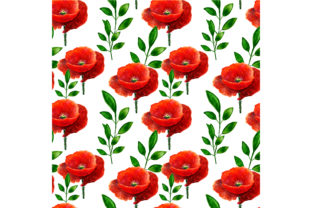
Seamless pattern maquis refers to a type of repeating design that features organic elements like flowers, leaves, and textured foliage, all rendered in a trendy, modern style reminiscent of watercolor illustrations. The term "maquis" originates from the dense shrubland found in Mediterranean regions, which is often characterized by its lush, layered vegetation. In design, this concept translates into rich, detailed, and natural-looking patterns that mimic the complexity of such environments.
A seamless pattern is one that can be repeated without visible seams or breaks at the edges. This makes it ideal for use in backgrounds, textiles, stationery, and other applications where continuous repetition is desired. When combined with the maquis aesthetic, these patterns offer a fresh, artistic touch that blends nature with modern design sensibilities.
Why Would Someone Be Interested in Seamless Pattern Maquis?
There are several reasons why designers, illustrators, and creatives might find seamless pattern maquis appealing:
- Creative Flexibility: These patterns allow for a wide range of design applications, from branding materials to fashion prints.
- Artistic Expression: The hand-drawn, watercolor style offers a tactile and organic feel that can elevate any project.
- Modern Aesthetic: The trendy look of these patterns aligns well with contemporary design trends, making them suitable for a variety of industries.
- Easy Repetition: As seamless patterns, they can be easily scaled and repeated without losing quality or coherence.
Benefits and Tradeoffs
Like any design tool, seamless pattern maquis comes with its own set of advantages and considerations:
Benefits
- Visual Depth: The layered, textured elements create a sense of depth and realism that can make designs more engaging.
- Customization Options: Many seamless pattern maquis designs can be customized to suit specific color schemes or themes.
- Time-Saving: Using pre-designed seamless patterns can save time compared to creating custom illustrations from scratch.
- Professional Appeal: The modern, artistic style adds a level of sophistication that can enhance brand identity or product aesthetics.
Tradeoffs
- Design Limitations: While seamless pattern maquis offers flexibility, it may not always provide the same level of detail or customization as bespoke illustrations.
- Compatibility Issues: Some patterns may not work well with certain software or platforms, requiring additional adjustments.
- Cost Considerations: High-quality, original seamless pattern maquis designs can be more expensive than stock options.
Situations Where It May Be a Strong Fit
Seamless pattern maquis is particularly effective in the following scenarios:
- Interior Design: Used in wall coverings, rugs, or decorative panels to add a natural, artistic touch.
- Fashion and Textiles: Incorporated into fabric prints or accessory designs for a unique, handcrafted look.
- Graphic Design: Applied as background textures in logos, websites, or social media graphics.
- Stationery and Packaging: Used in greeting cards, notebooks, or product packaging to enhance visual appeal.
When to Consider Alternatives
While seamless pattern maquis is a powerful tool, there are situations where alternatives may be more appropriate:
- High Detail Requirements: If your project demands intricate, highly detailed illustrations, custom vector art may be a better choice.
- Brand Consistency: For brands that require strict consistency in color and style, bespoke illustrations may offer greater control.
- Technical Constraints: If you're working with limited design software or tools, simpler patterns or templates may be more practical.
Practical Decision-Making Insights
Deciding whether to use seamless pattern maquis depends on your specific needs and goals. Here are some key factors to consider:
- Project Scope: Assess whether the design requires a high degree of customization or if a ready-made pattern will suffice.
- Target Audience: Determine if the artistic, organic style of seamless pattern maquis resonates with your intended audience.
- Time and Budget: Evaluate how much time and resources you’re willing to invest in the design process.
- Technical Compatibility: Ensure that the pattern works well with the tools and platforms you plan to use.
Ultimately, seamless pattern maquis offers a compelling blend of creativity and functionality. Whether you're looking to enhance your brand’s visual identity or explore new design possibilities, understanding its strengths and limitations can help you make an informed decision.