Yellow Blue Camo Pattern: A Versatile Tool for Creative and Practical Workflows
The Yellow Blue Camo Pattern is a visually striking design that blends the boldness of yellow, the depth of blue, and the complexity of grey to create a dynamic and versatile aesthetic. This pattern is not just an artistic choice—it's a functional element that can be integrated into various workflows, from creative projects to business operations. Its unique combination of colors and textures makes it ideal for use in both digital and physical environments, offering a balance between visual appeal and practicality.
Understanding the Yellow Blue Camo Pattern
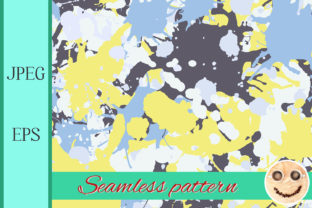
The Yellow Blue Camo Pattern is characterized by its layered application of ink paint splashes, which mimic the appearance of a camouflaged surface. The interplay between yellow and blue creates a sense of contrast and movement, while the inclusion of grey tones adds depth and sophistication. This seamless pattern is designed to repeat without visible seams, making it suitable for large-scale applications such as fabric, wallpaper, or digital backgrounds.
What sets this pattern apart is its adaptability. It can be used as a standalone design or combined with other elements to enhance the overall visual impact. Whether applied to a website background, a product packaging design, or a personal project, the Yellow Blue Camo Pattern offers a modern and stylish solution that aligns with contemporary design trends.
Integrating the Pattern into Creative Workflows
For designers, artists, and creators, the Yellow Blue Camo Pattern can serve as a powerful tool in the ideation and execution phases of a project. Its vibrant color palette can inspire new ideas and provide a strong visual foundation for compositions. When working on digital art, graphic design, or branding projects, incorporating this pattern can add a layer of texture and interest that elevates the final output.
One practical use case is in the development of digital assets. For instance, when creating a website or app interface, the Yellow Blue Camo Pattern can be used as a background element to make content stand out while maintaining a cohesive aesthetic. It also works well in print media, where it can be used to create eye-catching posters, flyers, or promotional materials.
Additionally, the pattern can be used in the early stages of brainstorming. By applying it to a whiteboard or sketchbook, designers can explore how different elements interact within a larger composition. This approach encourages experimentation and helps in refining concepts before moving on to more detailed work.
Workflow Example: Branding Project
- Concept Development: Use the Yellow Blue Camo Pattern as a visual reference to establish the tone and style of the brand.
- Design Mockups: Apply the pattern as a background for wireframes and mockups to ensure consistency across all touchpoints.
- Final Output: Integrate the pattern into logos, packaging, and marketing materials to maintain brand identity throughout the customer journey.
This workflow demonstrates how the Yellow Blue Camo Pattern can be seamlessly woven into the creative process, enhancing both the visual and strategic aspects of a project.
Practical Implementation Tips
To effectively implement the Yellow Blue Camo Pattern, consider the following tips:
- Choose the Right Medium: Ensure the pattern is compatible with the material you're using, whether it's fabric, paper, or digital platforms.
- Test for Compatibility: Before applying the pattern to a large project, test it on a smaller scale to assess how it interacts with other elements.
- Balance Color and Contrast: Use the pattern in moderation to avoid overwhelming the viewer. Pair it with complementary colors to maintain visual harmony.
- Ensure Seamless Repetition: Verify that the pattern repeats smoothly without any visible seams, especially if it's intended for large-scale use.
- Consider Long-Term Use: Think about how the pattern will age or change over time, especially in environments where exposure to light or elements may affect its appearance.
By following these guidelines, users can ensure that the Yellow Blue Camo Pattern enhances their work without compromising quality or usability.
Collaboration and Integration
The Yellow Blue Camo Pattern is not limited to individual use—it can also be a valuable asset in collaborative environments. In team settings, it can serve as a unifying element that brings people together around a shared vision. For example, in a marketing team, the pattern can be used consistently across all campaign materials, ensuring brand coherence and recognition.
When integrating the pattern into existing workflows, it's important to consider how it interacts with other tools and resources. Whether it's software, hardware, or human processes, the pattern should complement rather than disrupt the current system. This requires careful planning and alignment with organizational goals.
Moreover, the pattern can be paired with other design elements to create a more complex and engaging visual experience. For instance, combining it with typography or illustrations can result in a more dynamic and layered composition. This flexibility allows for endless possibilities in both creative and practical applications.
Conclusion
The Yellow Blue Camo Pattern is more than just a design element—it's a versatile tool that can be integrated into a wide range of workflows. From creative projects to business operations, it offers a unique blend of aesthetics and functionality that enhances both the process and the outcome. By understanding its properties and potential applications, users can unlock new opportunities for innovation and efficiency in their work.